
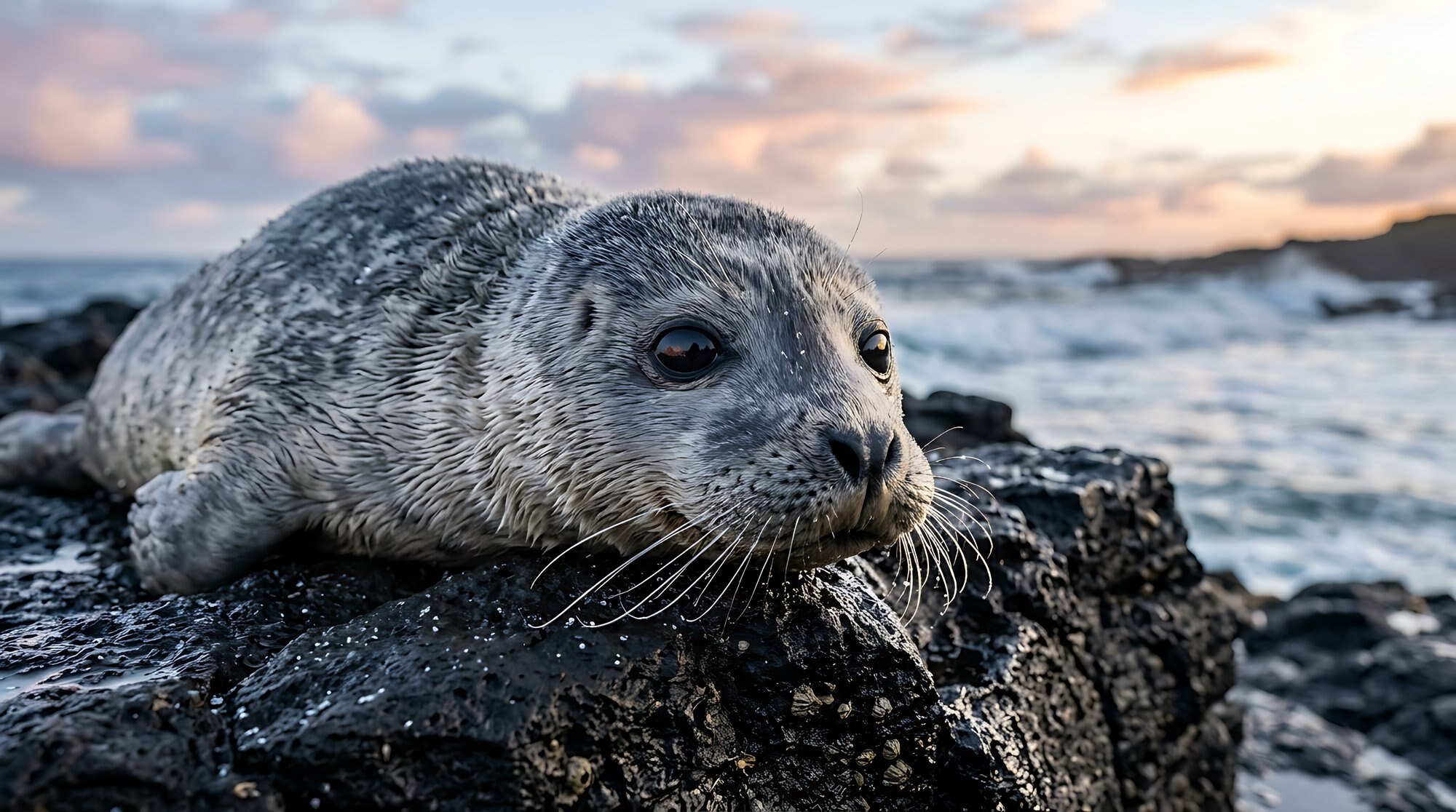
Selkie mythology tells of seal people who shed their skins to become human and put them on again to return to the sea. Hide a selkie’s skin, and you prevent its return. Imagine a pelt tucked into the rafters while its owner searches the house below: that is the predicament at the heart of many seal-wife stories. Other tales follow lovers who come willingly ashore, children divided between two worlds, and a father who foresees his son’s death.
In This Article
- Where the Name Comes From
- How the Sealskin Changes the Story
- Marriage and Children on Land
- The Great Silkie of Sule Skerry
- The Seal Woman of Mikladalur
- How Selkies Differ From Other Sea Beings
- Key Takeaways
- Frequently Asked Questions
- The Sealskin Makes Return Possible
Where the Name Comes From
“Selkie” comes from the Scots word for seal. Orkney and Shetland, the Northern Isles off Scotland’s north coast, are central settings of the tradition. For islanders watching seal heads rise through the surf, the animals’ eyes and cries could seem unsettlingly human. The stories give that resemblance a body that can walk ashore.
Related seal-person tales occur in Irish and Faroese coastal traditions too. Their setting matters: the sea is close enough to bring a stranger into a household and carry a parent out of reach.
How the Sealskin Changes the Story
The sealskin is the decisive object in selkie folklore. In a recurring story, a man discovers seal women ashore and takes one woman’s skin. The others can leave; she cannot. He conceals it, and she becomes his wife.
Years may pass before the hiding place gives up its secret. In versions where a child helps recover the skin, an ordinary household discovery ends the mother’s long confinement. The child has found something the father meant to keep hidden.
Once she holds it again, she needs no further gift of magic. What she lacked was her own skin, not the knowledge of how to return.
Marriage and Children on Land
The recovered skin also makes a painful departure possible. A seal mother may have children on land whom she loves, yet still long for her life at sea. At the waterline, the distance between those lives becomes physical: she can cross in seal form; her human children remain ashore.
Some tellings allow her to return or show her continuing concern for the children. Others leave the family separated. That parting gives the selkie legend its ache: recovering a home does not necessarily mean bringing everyone you love with you.
Male seal lovers also come ashore, without a stolen skin keeping them there. One of the best-known becomes a father whose visit brings a terrible prediction.
The Great Silkie of Sule Skerry
“The Great Silkie of Sule Skerry,” catalogued as Child Ballad 113, begins with a woman and the son she has borne. His father identifies himself as human on land and a silkie at sea. Sule Skerry, the remote island west of Orkney named in the title, gives this visitor a home beyond her household.
There is no hidden pelt driving the tragedy. The father knows what lies ahead: the woman will marry a gunner, and that man will kill both him and their son. The future husband will become the hunter of the family that came before him. The ballad leaves its listeners with the foretold shot.
The Seal Woman of Mikladalur
In the Faroe Islands, Kópakonan is the seal woman of Mikladalur on Kalsoy. A man steals her skin while she is ashore and locks it away. She becomes his wife and bears children before recovering it and returning to her seal family.
The danger follows her back into the sea. During a hunt, men kill her seal husband and their young. Her answer is a curse on the men of Mikladalur: some will drown, others will fall from the cliffs. The deaths will continue until the dead are numerous enough to join hands around Kalsoy.
The scale of that threat changes the ending. The stolen skin began as one man’s secret; the seal woman’s revenge reaches through the village and into its future.
How Selkies Differ From Other Sea Beings
A familiar mermaid has a human upper body and a fish’s tail. A selkie comes wholly ashore as a human, leaving the seal form in a removable skin. Someone meeting one on land might see no animal feature at all.
Orkney’s finfolk offer another kind of uncanny sea neighbour. A finman’s boat can travel with supernatural speed, making an apparently ordinary craft something a human boat cannot match. Finfolk are associated with taking human partners, but belong to a distinct tradition: the encounter need not turn on a sealskin hidden in a house.
Key Takeaways
- The skin makes movement between seal and human life possible.
- A stolen pelt turns a visit ashore into enforced residence.
- Children give a departing parent ties to both homes.
- Sule Skerry’s prophecy and Kópakonan’s curse give their stories different sources of terror.
Frequently Asked Questions
These answers address the transformations and family ties that often prompt questions about the tales.
What are Selkies?
Selkies are supernatural seal people who can take human form. The skin they remove belongs to their animal body; it is not a costume used to impersonate a seal.
What happens if a selkie falls in love with a human?
A selkie may become a human’s lover or spouse, but love does not guarantee that they will remain together. In a willing relationship, separation can come from the pull of the sea rather than the discovery of a stolen skin.
Are selkies only female?
No, selkies can be male or female. The male figure in the Sule Skerry ballad speaks as a father, bringing the sea parent’s voice into the story directly.
What happens if a selkie has a child with a human?
The child belongs to a family with both human and seal ancestry. Some Scottish traditions describe webbed fingers among descendants of seal people, giving that ancestry a visible bodily trace.
What happens when you give a selkie their coat?
Returning a selkie’s sealskin allows them to become a seal and go back to sea. It releases their means of departure; it does not bind them to the person who hands it over.
Are these stories folklore rather than accounts of a real animal?
Yes, selkie stories are folklore, not accounts of an animal that actually becomes human. Real seals supply the familiar faces and coastal presence; the transformation is supernatural.
The Sealskin Makes Return Possible
What these stories come down to is the cost of belonging in two places when someone else can close the route between them. The child who helps recover a hidden skin may restore a mother’s freedom and lose her daily presence in the same act. That is why the discovery carries more weight than a simple escape.
The other tales give separation different causes. The father from Sule Skerry faces a death he already foresees; Kópakonan answers the killing of her sea family with a curse. Together, these stories make room for attachment that survives departure, and grief that becomes anger. A return to the sea can resolve captivity without resolving the claims of family.